


2026 Subaru Forester Hybrid vs. 2027 Honda CR-V Hybrid: AWD, MPG, Space, and Capability
2026 Subaru Forester Hybrid shoppers often cross-shop the 2027 Honda CR-V Hybrid. That makes sense. Both vehicles sit in the same class and solve the same main job. The 2026 Subaru Forester Hybrid and Honda CR-V Hybrid are compact SUVs made for the same job. Each seats five and cuts fuel use. Their main split is easy to see: Subaru makes AWD and ground clearance central, while Honda pushes fuel economy and cargo space.

2026 Subaru Forester Hybrid key facts
The official 2026 Subaru Forester Hybrid page backs the facts below. A trim can change a rating. So can wheels, drive type, load, and added gear. Check the label on the exact car.
Five facts that shape the vehicle
- System power: The Forester Hybrid makes 194 combined horsepower.
- Fuel estimate: Subaru lists 35 MPG city and 34 MPG highway.
- Driving range: The estimated range reaches 581 miles.
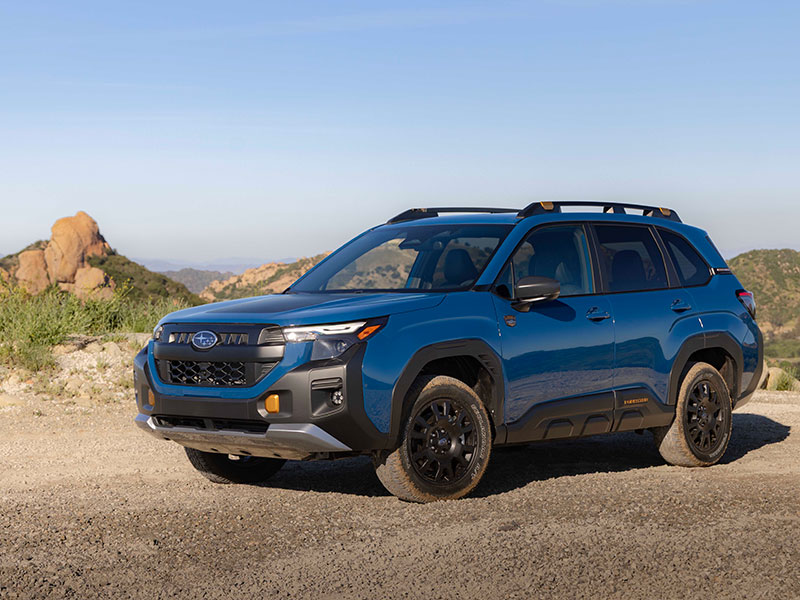
- Ground clearance: Every Forester Hybrid has 8.7 inches of clearance.
- Cargo room: Maximum cargo space reaches 69.1 cubic feet.
Subaru pairs its hybrid system with Symmetrical All-Wheel Drive on every trim. That gives the Forester one clear setup, not a choice between front drive and AWD. The tall glass area helps the driver see close corners. Its boxy roof also keeps head room useful in back. Premium, Sport, Limited, and Touring Hybrid trims share the same core output and fuel estimate.
The standard AWD and clearance gives the Subaru a clear rough-road edge. Each fact must link to a real job. Power helps with a merge or load. MPG can cut fuel stops. Range can change a trip plan. More space can hold more gear. Tow and load ratings set firm limits. Read the facts as one whole set.
Subaru Forester Hybrid vs. 2027 Honda CR-V Hybrid
The official 2026 Honda CR-V information gives the rival figures used here. A fair match keeps the body class, seat mission, and main use close. It also compares the same drive system when that choice changes fuel use or traction.
Honda lists 204 horsepower for the CR-V hybrid system. Front-wheel-drive versions can reach 43 MPG city and 36 MPG highway, while AWD versions use more fuel. Honda also offers up to 76.5 cubic feet of cargo space. That gives the CR-V the edge for fuel use and maximum cargo. The Forester counters with standard AWD, more ground clearance, and a 1,500-pound tow rating.
Where the same-class choice becomes clear
This same-class choice depends on road and load. A driver who stays on paved routes may value the Honda's higher fuel estimate. A buyer who uses snowy lanes, boat ramps, camp roads, or deep gravel may prefer the Subaru's clearance and standard AWD. Both have roomy rear seats and modern driver aids. Neither wins every line, which is why the use case matters.
- Choose Forester Hybrid for standard AWD, clearance, and light towing.
- Choose CR-V Hybrid for higher peak MPG and more maximum cargo room.
- Compare AWD to AWD when fuel use is a key factor.
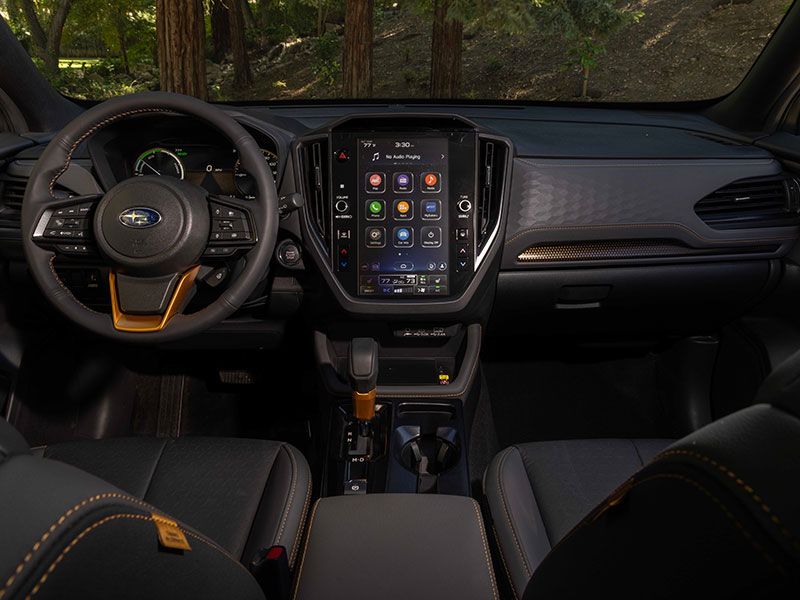
- Check the trim's wheel size and seat features before deciding.
What the comparison means near Branford and the Connecticut Shoreline
Premier Subaru currently lists new Forester models, including hybrid inventory. Trim and color supply can change. See the current Premier Subaru inventory for local availability. A live page proves the model is part of the dealer's range, but a listed unit can sell before this article is read.
Make the last check simple. Write down your top three jobs. Count each seat you use. Measure the bags that ride with you. Add the miles in a normal week. Note each hill, dirt road, or snow day. Then look at both models again. One may fit the list with far less fuss.
MPG can save cash each week. More space may keep gear off the roof. More ground room can help on snow or rocks. A high tow rate only helps if the load is a safe match. The same rule holds for speed. More power is fun, but it must serve a real need.
Next, compare like with like. Match AWD to AWD. Match the same seat count. Use a close trim price. Check tire size and key gear. Look at fuel, charge, and tire cost for a full year. A cheap trim may cost more to run. A high trim may add gear that you do not need.
Think of each road you use. Cold can cut EV range and tire grip. Heat adds air use. Hills show weak pull. Short trips make doors and clear views more key. Long trips make seats, range, and quick charge stops more key. One car can fit one week well and the next week less well.
For many Branford drivers, those traits matters more when winter rain turns to slush. The best choice is the one that handles the most common work with the least cost and fuss. Use the numbers above to narrow the field, then check the exact trim, tire, seat layout, and equipment shown on the vehicle.