


2026 Subaru Trailseeker Pricing Explained for Connecticut Drivers
The 2026 Subaru Trailseeker has a simple job: feel like a Subaru first, and an EV second. Pricing being public means Connecticut shoppers can finally plan with real numbers, not guesswork. Still, you should treat pricing like the first filter, not the final answer. What matters is what comes standard, what you'll actually use, and how ownership looks over the years you keep the vehicle.

What pricing usually includes on a Subaru EV
Subaru does not typically build "loss leader" trims that look cheap but require expensive packages to feel complete. The Trailseeker is expected to follow that pattern. The trim ladder usually adds comfort and convenience, but the foundation is the same: stability, safety tech, and traction-focused engineering.
- All-wheel drive as a core design, not an upgrade
- Driver assistance systems aimed at daily traffic
- Cabin layouts that favor visibility and simple controls
- Practical features that support long-term ownership
Why the "total cost" conversation matters
How to compare Trailseeker pricing to your real budget
Start with the trim you would actually buy, then work backward. Ask yourself what features you consider non-negotiable, like AWD behavior, key safety tech, and basic comfort. Then compare only two trims at a time so the decision stays clear. If you compare every trim at once, it becomes noise.
A simple shopping method
- Pick a target monthly payment range you are comfortable with.
- Choose one Trailseeker trim that matches your needs.
- Compare it to one alternative trim, not the whole lineup.
- Factor in home charging installation if you do not already have it.
If incentives, credits, or rebates apply, treat them as a bonus rather than the base plan. Programs and eligibility can change, so you should confirm what applies to your situation at the time you buy.
EV pricing can look high until you compare the ownership side. Charging can be cheaper than fuel, and routine maintenance needs are often lower. The U.S. Department of Energy explains EV basics clearly at afdc.energy.gov, and it is a solid, neutral starting point if this is your first EV.
To keep your expectations realistic, it also helps to understand how efficiency and range testing works. The EPA's overview at fueleconomy.gov explains why range and efficiency can vary with speed, temperature, and trip length.
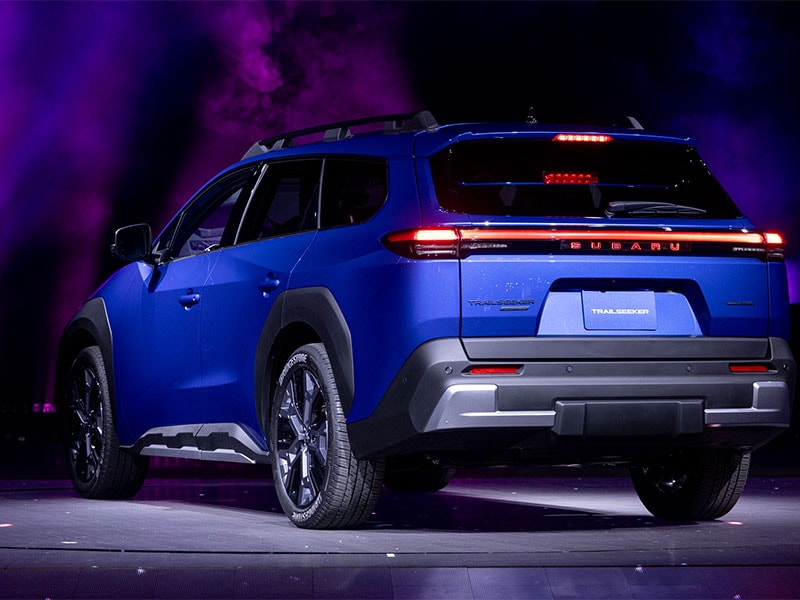
Connecticut realities: winter, highways, and older pavement
The Trailseeker's value is easiest to see in real Connecticut driving. Winter cold can reduce efficiency, and coastal storms can make traction the difference between "fine" and "white knuckle." On I-95, stability and calm steering matter more than quick 0-60 bragging rights. On older pavement, suspension tuning matters because you live with it every day.
Questions to ask before you commit
- Which trims are landing first, and which may take longer to arrive?
- What winter range should you plan around for your routine?
- Can you install Level 2 charging at home, and what does that cost?
- Which features are standard versus bundled into packages?
Theres a reason Subaru pricing can look conservative on paper. You are often paying for consistency, not gimmicks. For drivers who keep vehicles for years, the Trailseeker can deliver more then a quick price comparison suggests.